Understanding Noise-Cancelling Technology: How It Works and Why You Need It
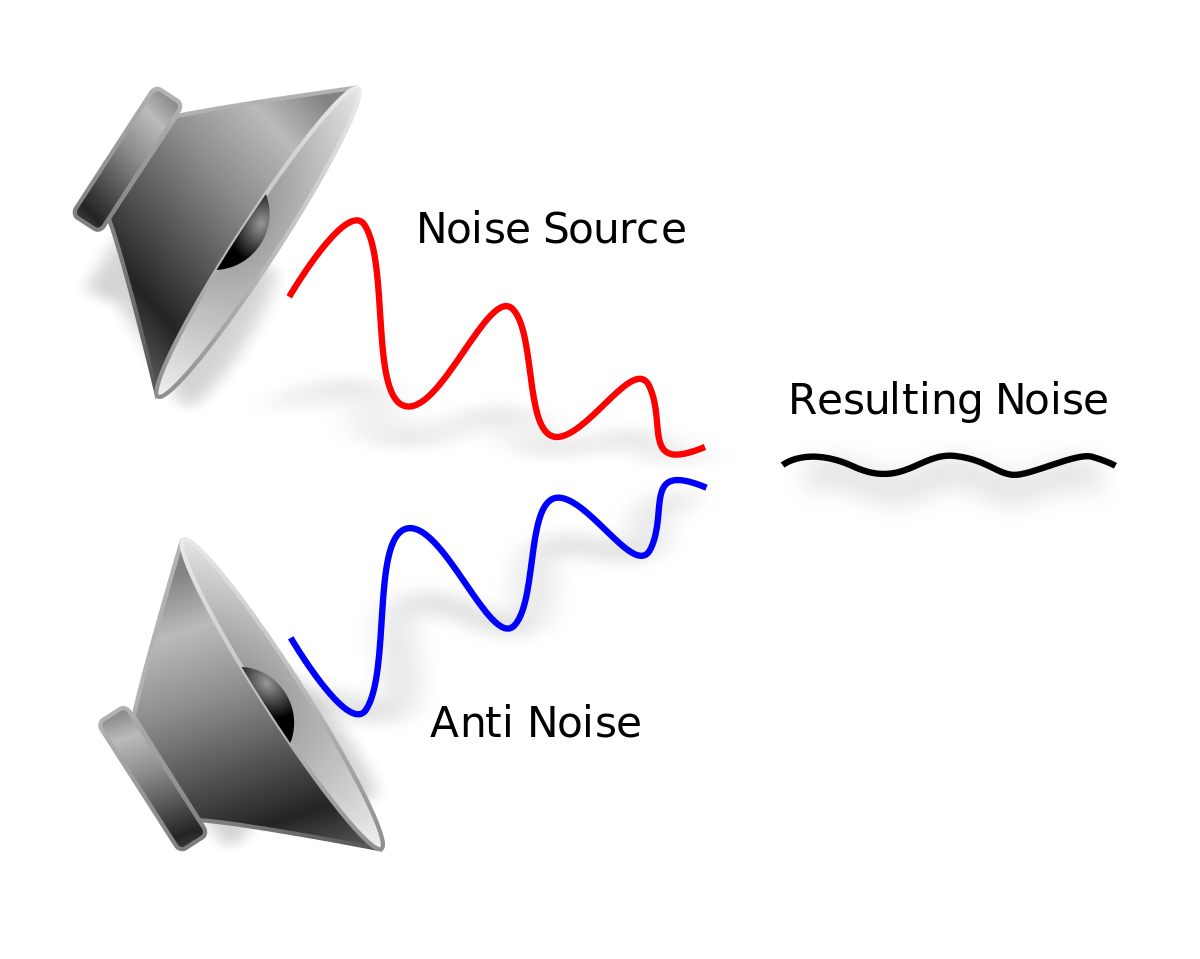
Noise-cancelling technology has revolutionized the way we experience sound, providing clarity and comfort in noisy environments. At its core, this technology works by utilizing microphones to pick up ambient noise and then producing sound waves that are the exact opposite, effectively canceling the unwanted sound. This process is known as destructive interference. There are two main types of noise-cancelling: passive and active. Passive noise-cancelling relies on physical barriers, such as cushioned ear cups, to block out sound, while active noise-cancelling uses electronic means to counteract noise. Together, these methods create an immersive listening experience that can be particularly beneficial in bustling urban settings or during long flights.
Investing in noise-cancelling headphones or devices can significantly enhance your quality of life. Whether you are trying to focus on work, enjoy music, or simply find a moment of peace, the ability to reduce background noise is invaluable. Studies show that prolonged exposure to noise can lead to increased stress levels and decreased productivity. By utilizing noise-cancelling technology, you not only protect your hearing but also create a personalized sound environment that allows for improved concentration and relaxation. As these devices continue to evolve, their affordability and availability make them an essential tool for anyone looking to escape the chaos of their surroundings.
Counter-Strike is a highly competitive first-person shooter game that has gained immense popularity since its release. Players assume the roles of terrorists and counter-terrorists, engaging in various game modes and objectives. Its fast-paced gameplay and strategic elements make it a favorite among gamers worldwide. If you're looking to enhance your gaming experience, consider checking out the Top 10 Earbuds for Zoom Calls to improve your in-game communication.
10 Tips for Creating the Perfect Acoustic Environment at Home
Creating the perfect acoustic environment at home is essential for enhancing sound quality and reducing unwanted noise. Here are 10 tips to help you achieve an ideal space:
- Consider the room's shape and size. Irregularly shaped rooms can help disperse sound waves more evenly.
- Use absorption materials like rugs, curtains, and acoustic panels to minimize sound reflection.
- Add bookshelves filled with books to act as natural sound diffusers.
- Ensure that furniture is strategically placed to break up sound waves and reduce echo.
In addition to these foundational changes, integrating technology can further enhance your home’s acoustics. Here are more tips:
- Use a sound meter to identify problem areas and tailor your adjustments accordingly.
- Invest in high-quality speakers and sound systems, as they greatly influence the listening experience.
- Seal doors and windows to prevent outside noise from infiltrating your space.
- Consider adding a small water feature or indoor plants, as they can help in absorbing sound.
- Regularly evaluate and adjust your setup to ensure optimal acoustics as your needs and preferences change.
Is Noise Cancelling Right for You? Answering Your Top Questions
When considering whether noise cancelling technology is right for you, the first question to ask is how often you find yourself in noisy environments. Noise cancelling headphones can be a game-changer for frequent travelers, commuters, or anyone who works in a loud office. By utilizing active noise cancellation, these headphones can significantly reduce unwanted ambient sounds, enabling you to focus better on your tasks, enjoy music with greater clarity, or simply find peace amidst the chaos of daily life.
Another important consideration is your budget. While there are noise cancelling options across various price ranges, high-quality models often come with advanced features, such as longer battery life and superior sound quality. Evaluate your needs: if you prioritize exceptional audio experiences during commutes or long flights, investing in a premium model could be beneficial. However, if your usage is sporadic or primarily casual, there are plenty of budget-friendly alternatives that still offer satisfactory noise reduction.