The Ultimate Guide to Wireless Chargers: Benefits and Features Explained
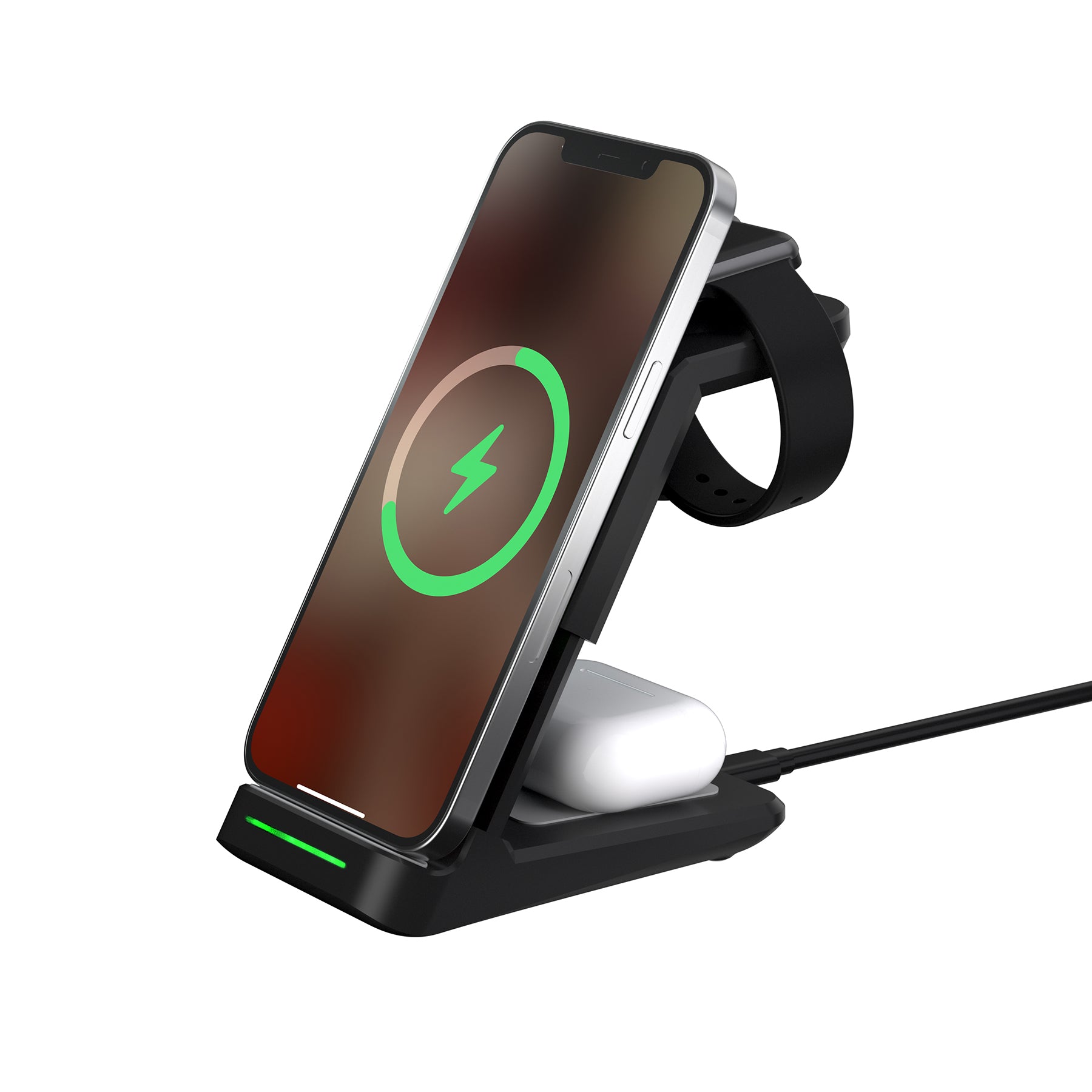
The advent of wireless chargers has revolutionized the way we power our devices, offering a sleek and convenient alternative to traditional wired charging. One of the main benefits of wireless charging is the elimination of tangled cables and the ease of use it provides. Simply place your device on the charging pad, and you’re good to go! In addition to convenience, many wireless chargers are designed to be compatible with multiple devices, including smartphones, smartwatches, and wireless earbuds. This versatility makes wireless charging stations an ideal solution for households with various gadgets.
When exploring the features of wireless chargers, it's essential to consider factors such as charging speed, design, and safety. Most modern wireless chargers utilize Qi technology, which allows for faster charging capabilities than previous models. Additionally, many chargers now come with built-in safety features like overcurrent protection and temperature control, ensuring that your device stays safe while charging. Furthermore, aesthetic design options allow users to choose chargers that not only perform efficiently but also complement their home or office decor. With all these advantages, adopting wireless charging is a smart move for anyone looking to streamline their tech experience.
Counter-Strike is a highly popular first-person shooter game that pits teams of terrorists against counter-terrorists in a variety of objective-based scenarios. Players can engage in various modes, enhancing their skills and strategies while working with their teammates to achieve victory. For gamers looking to optimize their experience, you might also want to check out the Top 10 Nightstand Charging Docks for iPhone, ensuring your devices are charged and ready for action.
Why You Should Ditch Your Cables: Top Reasons to Switch to Wireless Charging
In today's fast-paced digital world, convenience is key, and wires can often feel like a burden. One of the top reasons to consider switching to wireless charging is the simplicity it offers. With just a simple placement on a charging pad, your device can begin to charge without the hassle of plugging and unplugging cables. This streamlined approach not only reduces wear and tear on your device's charging port but also minimizes clutter in your space. Imagine a desk or bedside table free from tangled cords—this is the reality when you ditch your cables.
Another compelling reason to embrace wireless charging is safety. Traditional charging cables can be prone to fraying, which can lead to potential hazards like electrical shorts or even fires. In contrast, wireless charging utilizes electromagnetic fields to transfer energy, significantly reducing such risks. Additionally, many modern wireless chargers come equipped with built-in safety features, such as overcurrent protection and foreign object detection, ensuring that both your device and your home remain safe. By making the switch to wireless charging, you're not just embracing convenience, but you're also investing in a safer charging solution.
How to Choose the Right Wireless Charger for Your Devices
Choosing the right wireless charger for your devices can be a daunting task, especially with the plethora of options available in the market. To simplify the process, start by considering the type of devices you need to charge. Ensure that the charger is compatible with your smartphone or tablet, as different models may support varying charging standards such as Qi or PMA. Additionally, evaluate the charging speed; many devices support fast charging, so it’s advantageous to select a charger that aligns with your device’s capabilities to reduce downtime.
Another critical factor is the design and portability of the wireless charger. If you plan to travel frequently or require charging in different locations, opt for a sleek, lightweight model that is easy to carry. Consider features such as built-in cooling systems to prevent overheating, and non-slip surfaces to secure your device in place during the charging process. Lastly, read user reviews and consult tech experts to gather insights on performance and reliability, ensuring that your investment in a wireless charger meets both your needs and expectations.