The Role of Emerging Technologies in Shaping Tomorrow's Design
The integration of emerging technologies into design practices is revolutionizing how we create and interact with our environments. With innovations such as artificial intelligence (AI), augmented reality (AR), and 3D printing, designers are unlocking new realms of creativity and functionality. For instance, AI algorithms can analyze vast amounts of data to generate design solutions that are both aesthetically pleasing and highly functional. This technology not only speeds up the design process but also leads to more informed decisions, ensuring that the end products meet the evolving needs of users.
Moreover, augmented reality is transforming the design landscape by allowing designers and clients to visualize concepts in real-time, enhancing collaboration and creativity. As we look towards the future, the role of emerging technologies will only continue to grow, with advancements in virtual reality (VR) and IoT (Internet of Things) paving the way for immersive experiences and smart design. In conclusion, embracing these technologies is essential for designers to stay competitive and relevant in an ever-changing market, ultimately shaping the future of design.
Counter-Strike is a popular multiplayer first-person shooter game that pits teams of terrorists against counter-terrorists in various objective-based missions. As players engage in strategic gameplay, they can unlock and purchase weapons and gear during the match. For those looking to enhance their mobile experience, check out the Top 10 iPhone 17 cases to protect their devices while gaming on the go.
How Imagination Fuels Innovation: A Journey into Creative Thinking
Imagination is the fuel that drives innovation, serving as the cornerstone of creative thinking. When we think creatively, we are able to envision possibilities beyond the conventional, allowing us to explore uncharted territories in problem-solving. This imaginative process often leads to breakthroughs that transform industries and improve everyday life. For instance, many of the world’s greatest inventions—from the telephone to the internet—began as wild ideas that pushed the boundaries of what was deemed possible. In this sense, imagination is not just a whimsical escape; it is a powerful catalyst for innovation.
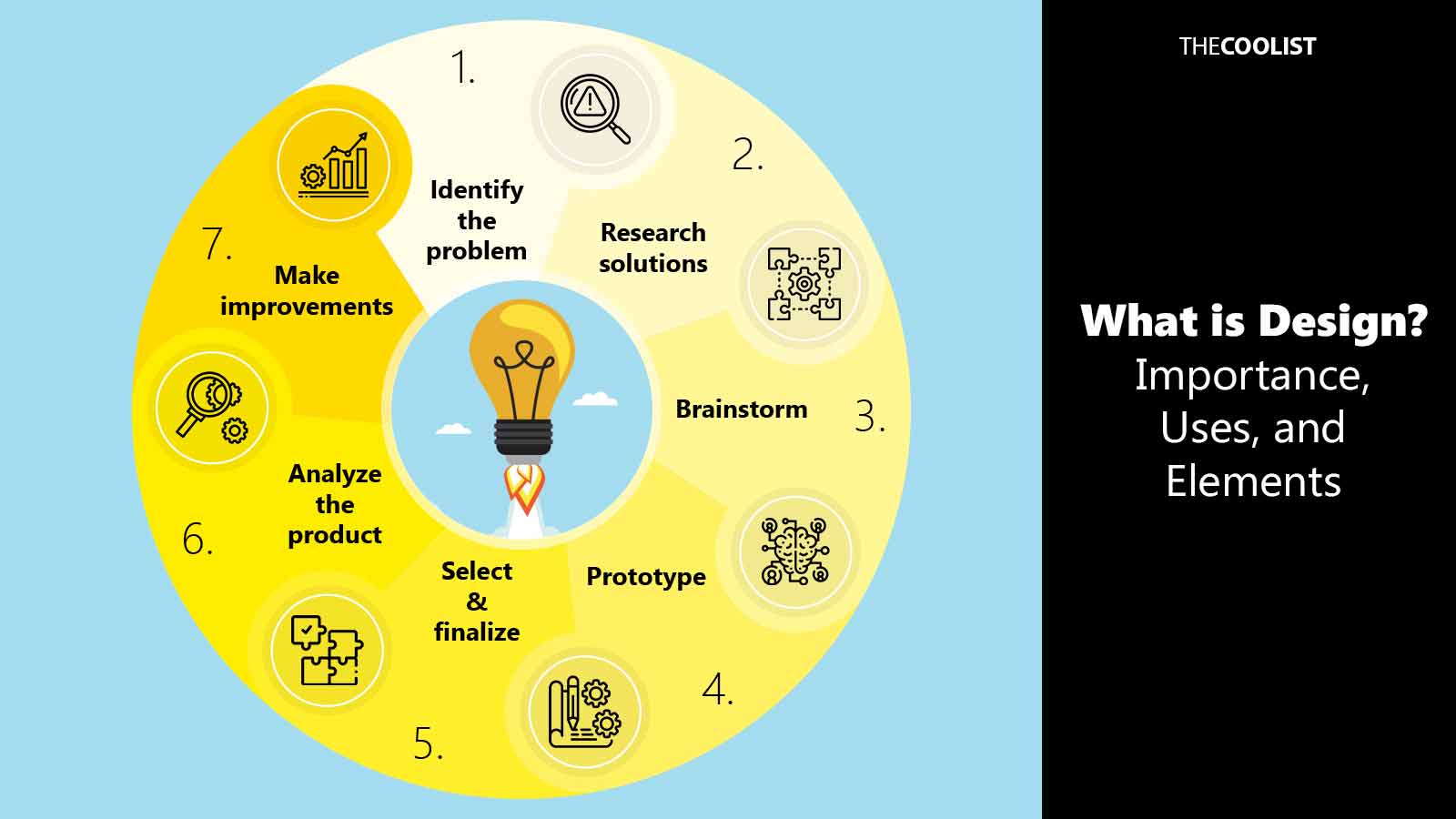
Our journey into creative thinking reveals various strategies to harness our imagination effectively. One way to enhance our imaginative capabilities is through techniques such as brainstorming, where we freely express unfiltered ideas, or mind mapping, which allows us to visually connect complex thoughts. These methods encourage an atmosphere where innovation can thrive, breaking down mental barriers and encouraging collaboration. By fostering a culture that values creativity and provides the tools for imaginative exploration, we enable ourselves and others to contribute to a future rich with innovative solutions.
What Are the Key Principles of Futuristic Design?
Futuristic design encompasses a range of principles that aim to anticipate and shape the future through innovative aesthetics and functionality. One of the key principles is the concept of sustainability, which focuses on creating designs that are environmentally friendly and resource-efficient. Additionally, biomimicry plays a significant role, where designers draw inspiration from nature to solve modern problems, resulting in more efficient and harmonious creations. Furthermore, incorporating adaptive technology is essential in futuristic design, allowing materials and structures to evolve with the user's needs, thereby creating a personalized experience.
Another fundamental principle is minimalism, which emphasizes simplicity and ease of use in design. By stripping away unnecessary elements, minimalist designs communicate clarity and purpose effectively. Furthermore, interactivity is a vital aspect of futuristic design, where user engagement and experience are prioritized, often through smart technology integration. This involves designing interfaces that not only respond to user inputs but also anticipate their needs, enhancing usability. Ultimately, the key principles of futuristic design aim to create a seamless blend of function and aesthetics, ensuring that designs are not only visually appealing but also intuitively functional.