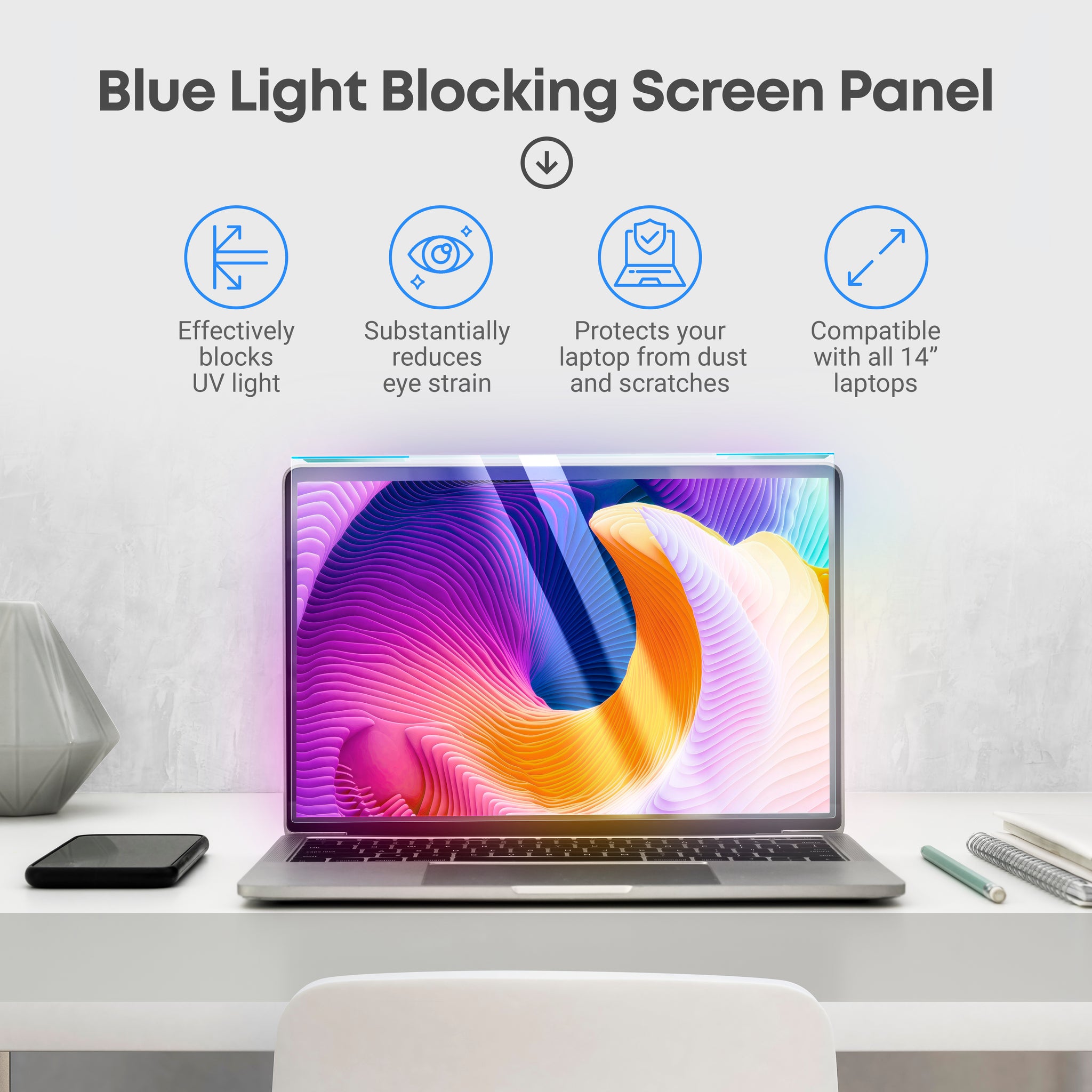
Understanding Blue Light: What It Is and Why It Matters
Blue light refers to the high-energy visible light with a wavelength between approximately 380 and 500 nanometers. It is emitted not only by the sun but also by artificial sources such as computer screens, smartphones, and LED lighting. Understanding blue light is crucial in our technology-driven world, as exposure to this light can have both positive and negative effects on our health. While it plays a vital role in regulating our sleep-wake cycle, excessive exposure, especially during nighttime, can disrupt our circadian rhythms and interfere with sleep quality.
Moreover, scientific research suggests that prolonged exposure to blue light may contribute to digital eye strain, leading to symptoms like dryness, irritation, and difficulty focusing. To mitigate these effects, consider the following tips:
- Use blue light blocking glasses when using digital devices.
- Enable blue light filter settings on your devices, especially in the evening.
- Take regular breaks using the 20-20-20 rule: every 20 minutes, look at something 20 feet away for at least 20 seconds.
Counter-Strike is a popular multiplayer first-person shooter that pits two teams against each other: terrorists and counter-terrorists. Players can choose from various game modes and customize their loadouts, making strategy and teamwork essential for success. If you're looking to enhance your gaming experience, check out the Top 10 iPad Accessories for Reading that can help you enjoy your favorite games even more.
How Blue Light Filters Can Improve Your Screen Time Experience
In today's digital age, we spend countless hours in front of screens, whether for work, entertainment, or socializing. However, the adverse effects of prolonged exposure to blue light emitted from electronic devices are becoming increasingly evident. Blue light filters are designed to reduce the amount of blue light reaching your eyes, helping to alleviate symptoms like eye strain, fatigue, and even disruptions in sleep patterns. By incorporating these filters into your devices or using specialized eyewear, you can significantly enhance your screen time experience.
Moreover, blue light filters can contribute to improved comfort during extended use of screens. Many users report experiencing less glare and sharper images while browsing or working, leading to improved productivity and a more enjoyable viewing experience. By prioritizing your eye health and utilizing these filters, you're not just protecting your vision; you're also enjoying your favorite content in a way that feels better. Investing in a blue light filter is a simple yet effective step towards a healthier relationship with technology.
Do You Need a Blue Light Filter? Signs You Might Be Suffering from Digital Eye Strain
In our increasingly digital world, many individuals find themselves spending countless hours in front of screens, be it on computers, tablets, or smartphones. This prolonged exposure can lead to a condition known as digital eye strain, characterized by symptoms such as dry eyes, blurred vision, and headaches. If you are experiencing these discomforts, it may be time to consider whether a blue light filter could be beneficial for you. Some common signs of digital eye strain include:
- Frequent headaches after screen time
- Dry or itchy eyes
- Difficulties focusing
- Blurred or double vision
While these symptoms can often be relieved with regular breaks from screens and proper eye care, implementing a blue light filter can provide an additional layer of protection. Blue light emitted from screens can disrupt your natural sleep cycle and cause unnecessary strain on your eyes, particularly during the evening hours. If you find yourself affected by the following signs, a blue light filter might be exactly what you need:
- Difficulty falling asleep after screen usage
- Increased sensitivity to light
- Feels like your eyes are 'heavy' or 'tired'