Beyond Deep Breaths: Innovative Stress Relief Techniques to Try Today
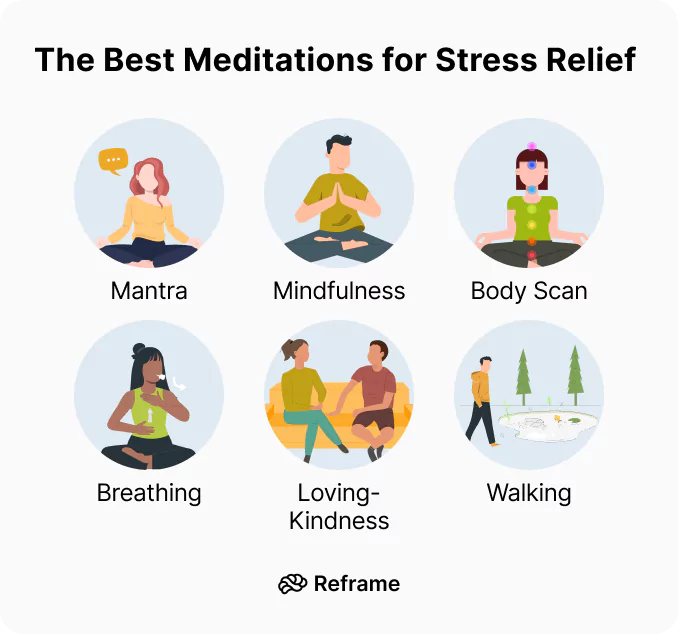
Stress relief goes beyond the traditional method of taking deep breaths. In today's fast-paced world, it’s essential to explore innovative techniques that cater to diverse lifestyles. One effective approach is mindfulness meditation, which encourages you to focus on the present moment while observing your thoughts without judgment. This practice not only promotes relaxation but also helps to enhance emotional regulation. Another technique is to engage in progressive muscle relaxation, where you systematically tense and then relax each muscle group in your body, fostering a deep sense of physical relief.
Additionally, consider incorporating nature therapy into your routine. Spending time in natural settings has been shown to reduce stress and boost overall well-being. Try going for a nature walk or even just sitting in a park. You can also experiment with artistic expressions like painting or journaling to channel your feelings creatively. Lastly, don’t overlook the power of deep laughter; participating in a laughter yoga class can provide both physical and psychological benefits, making this a wonderful way to relieve stress. By diversifying your approach to stress management, you’ll discover what works best for you.
Counter-Strike is a highly competitive first-person shooter game that has gained immense popularity since its release. With its focus on team-based gameplay, players engage in tactical combat across various maps and game modes. For those looking for great products, check out the Top 10 Tech Gifts for Office Workers which can enhance your gaming setup and overall experience.
The Science of Stress Relief: What Really Works and What Doesn't
The science of stress relief is a complex interplay of biological, psychological, and environmental factors. Numerous studies highlight that effective stress relief techniques can lead to significant improvements in both mental and physical health. Among the most recognized methods are mindfulness meditation, regular physical exercise, and deep breathing exercises. Research has shown that engaging in mindfulness practices can reduce anxiety levels and promote emotional well-being. In addition, exercise releases endorphins, the body's natural mood elevators, making it one of the most effective ways to combat stress.
On the other hand, some methods advertised as stress relief are less effective or even counterproductive. For instance, relying heavily on alcohol or other substances might provide temporary relief but can lead to long-term complications, including dependency and worsened stress levels. Furthermore, while quick fixes like binge-watching television or excessive online shopping may offer a distraction, they often fail to address the underlying causes of stress. Instead, focusing on holistic approaches that prioritize long-term health can yield better outcomes in the battle against stress.
Can Mindfulness Transform Your Stress Levels? Exploring the Evidence
In today's fast-paced world, the search for effective stress management techniques has led many to explore the concept of mindfulness. Mindfulness involves maintaining a moment-by-moment awareness of our thoughts, feelings, and surroundings without judgment. Research has shown that practicing mindfulness can significantly reduce stress levels, improve emotional regulation, and enhance overall well-being. A notable study published in the journal Health Psychology demonstrated that participants who engaged in mindfulness meditation reported lower stress levels and a heightened sense of calm compared to those who did not.
Moreover, the physiological benefits of mindfulness are backed by neuroscience. Sessions of mindfulness meditation have been linked to reduced activity in the amygdala, the brain region responsible for processing fear and stress responses. By learning to focus on the present, individuals can disrupt patterns of worrying and anxiety that contribute to high stress levels. As a practical application, incorporating simple mindfulness techniques, such as focused breathing or mindful walking, into daily routines can help individuals cultivate a more resilient approach to stress. Overall, the compelling evidence for the efficacy of mindfulness as a stress-reduction tool makes it a worthwhile practice for those seeking balance and tranquility in their lives.