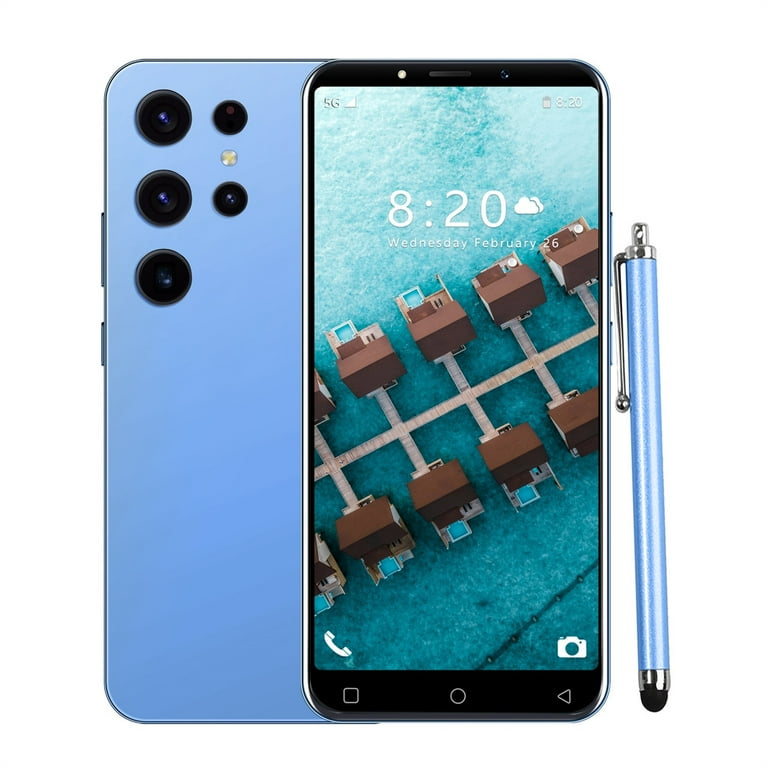
How Smartphones Are Revolutionizing Communication and Connectivity
Smartphones have dramatically transformed the way we communicate and connect with one another, making it easier than ever to stay in touch no matter where we are. With capabilities that extend beyond traditional voice calls, these multifunctional devices allow users to exchange text messages, engage in video calls, and share content instantaneously. The integration of social media platforms, instant messaging apps, and email services has redefined our communication landscape, leading to more frequent and diverse interactions. Additionally, features such as notifications and push alerts ensure that we remain connected in real time, fostering an environment where information is always at our fingertips.
Moreover, the impact of smartphones on global connectivity cannot be overlooked. They have not only bridged geographical gaps but have also empowered individuals by providing access to information and resources that were previously out of reach. For instance, in regions with limited infrastructure, smartphones facilitate access to educational resources, government services, and telehealth options. As a result, these devices have become vital tools in promoting inclusivity and enhancing social ties, ultimately revolutionizing how we perceive communication and connectivity in the modern world.
Counter-Strike is a popular first-person shooter video game series that has captivated gamers worldwide. It involves two teams, terrorists and counter-terrorists, competing to complete objectives or eliminate the opposing team. If you're looking for some great accessories to enhance your gaming experience, check out the Top 10 magsafe wallets to keep your gear organized and secure.
Top 10 Must-Have Features in Future Smartphones
As technology continues to evolve, the smartphone landscape is set to transform dramatically. In the coming years, we can anticipate features that not only enhance user experience but also redefine what a smartphone can do. Here are the Top 10 Must-Have Features that future smartphones should ideally incorporate:
- Advanced AI Integration: Smartphones will leverage AI to automate tasks, predict user needs, and enhance overall performance.
- Flexible Displays: The emergence of foldable and rollable displays will allow users to enjoy larger screens without compromising portability.
- Enhanced Battery Life: Future smartphones will feature ultra-efficient batteries, capable of lasting days on a single charge.
- 5G and Beyond: To support faster data transfer, future devices will seamlessly integrate advanced 5G capabilities, setting the stage for enhanced connectivity.
- Improved Camera Systems: Innovations in camera tech, including multiple lenses and AI-enhanced photography, will elevate mobile photography to new heights.
- Sustainable Materials: Future smartphones will embrace eco-friendly materials, promoting sustainability without sacrificing performance.
- Augmented Reality (AR): Smartphones will incorporate powerful AR capabilities, bridging the digital and physical worlds in exciting new ways.
- Enhanced Security Features: Biometric authentication will evolve with innovations like voice recognition and advanced facial scanning for superior security.
- Seamless Connectivity with IoT: Future devices will allow seamless interaction with the Internet of Things (IoT), creating smarter homes and environments.
- Customizable User Interfaces: Future smartphones will offer unique customizable user experiences tailored to individual preferences.
Are Smartphones Making Us Smarter or Just More Distracted?
The debate over whether smartphones are making us smarter or simply more distracted is heated. On one hand, smartphones provide us with instant access to a wealth of information at our fingertips. This convenience can enhance our learning, enabling us to absorb new knowledge through educational apps, podcasts, and articles. The ability to quickly search for facts and share information fosters a culture of continuous learning. However, this very access also comes with drawbacks. As distractions pile up—notifications from social media, endless scrolling through feeds, and notifications—we find ourselves increasingly unable to focus on tasks at hand, leading to what many researchers are calling an diminished attention span.
Moreover, the impact of smartphones on our cognitive abilities remains a double-edged sword. According to a study published in Psychological Science, individuals have become more reliant on their devices for memory storage, effectively outsourcing our need to remember phone numbers, addresses, and even important dates. While this reliance streamlines our lives, it raises concerns about long-term cognitive effects. Acknowledging both the potential for growth and the threat of distraction is essential. In conclusion, it's up to us as users to strike a balance, leveraging the educational benefits of smartphones while being mindful of their distracting nature.