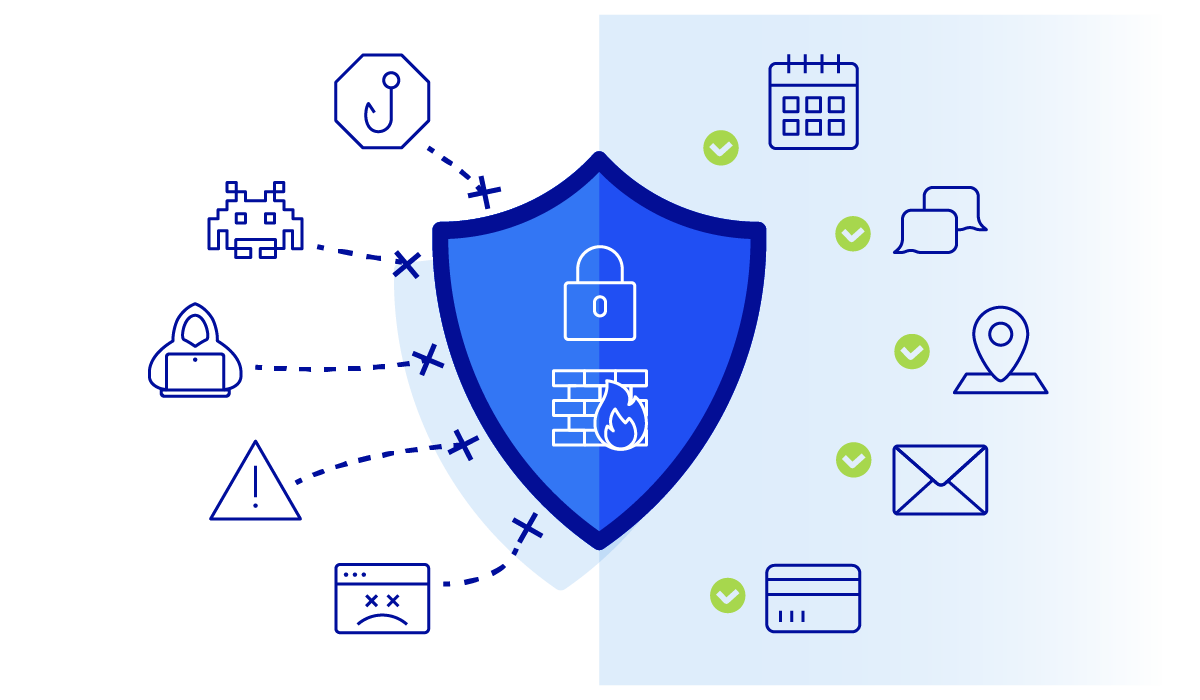
The Hidden Dangers of Sharing Secrets: How to Protect Your Personal Information
In today's digital age, sharing secrets may seem harmless, but it can pose significant risks to your personal information. When you confide in friends, family, or even online communities, you may inadvertently expose yourself to identity theft or privacy breaches. Consider this: a simple conversation can lead to someone inadvertently revealing your sensitive details. According to a recent study, over 40% of people have experienced issues stemming from shared secrets, underscoring the importance of being cautious about what you disclose.
To safeguard your personal information, it's crucial to implement some protective measures. Here are a few strategies you can adopt:
- Limit disclosure: Share only with trusted individuals and avoid discussing sensitive topics in public places.
- Use encrypted channels: When sharing information online, utilize secure platforms that offer end-to-end encryption.
- Think twice: Before revealing personal secrets, evaluate the potential consequences and whether the person or platform can be trusted.
Remember, while sharing secrets can strengthen relationships, it is vital to prioritize your safety and the protection of your personal information.
Counter-Strike is a popular tactical first-person shooter game that has garnered a massive following since its release. Players are divided into two teams, terrorists and counter-terrorists, competing to complete objectives such as planting bombs or rescuing hostages. For gamers looking to enhance their experience, check out the Top 10 iPhone 17 accessories to take your mobile gaming to the next level.
Top 5 Strategies for Safeguarding Your Secrets in the Digital Age
In today's interconnected world, protecting your sensitive information has never been more crucial. The first strategy to safeguard your secrets is to utilize strong passwords. Ensure your passwords are complex, combining letters, numbers, and special characters, and avoid using easily guessable information like birthdays. Additionally, consider implementing a password manager to help you generate and store unique passwords for each of your accounts, significantly reducing the risk of a data breach.
Another effective approach is to enable two-factor authentication (2FA) on all your accounts. By requiring a second form of verification, such as a text message or encryption app, you add an extra layer of security that can deter unauthorized access. Furthermore, regularly updating your software and applications is a vital practice to fix vulnerabilities that hackers may exploit. By following these strategies, you can ensure that your secrets remain protected in the digital age.
Why Every Secret Needs a Guardian: Understanding the Importance of Privacy
In an age where information flows freely and digital footprints are permanent, the importance of privacy cannot be overstated. Every secret needs a guardian to protect its integrity and ensure that sensitive information remains confidential. Whether it’s personal data, financial details, or proprietary business information, the absence of a vigilant guardian can lead to devastating consequences such as identity theft, corporate espionage, or unauthorized access to private conversations. Thus, instituting strict privacy measures and understanding the dynamics of information protection have become essential in our increasingly interconnected world.
Moreover, understanding the importance of privacy goes beyond merely protecting secrets; it fosters trust and creates a safer environment for individuals and organizations alike. When people know their information is safeguarded, they are more likely to engage openly without the fear of exposure. This trust is vital in fostering meaningful relationships, whether personal or professional. To effectively maintain this trust, entities must not only secure sensitive information but also educate their stakeholders on privacy protocols and the critical role that a guardian plays in mitigating risks.