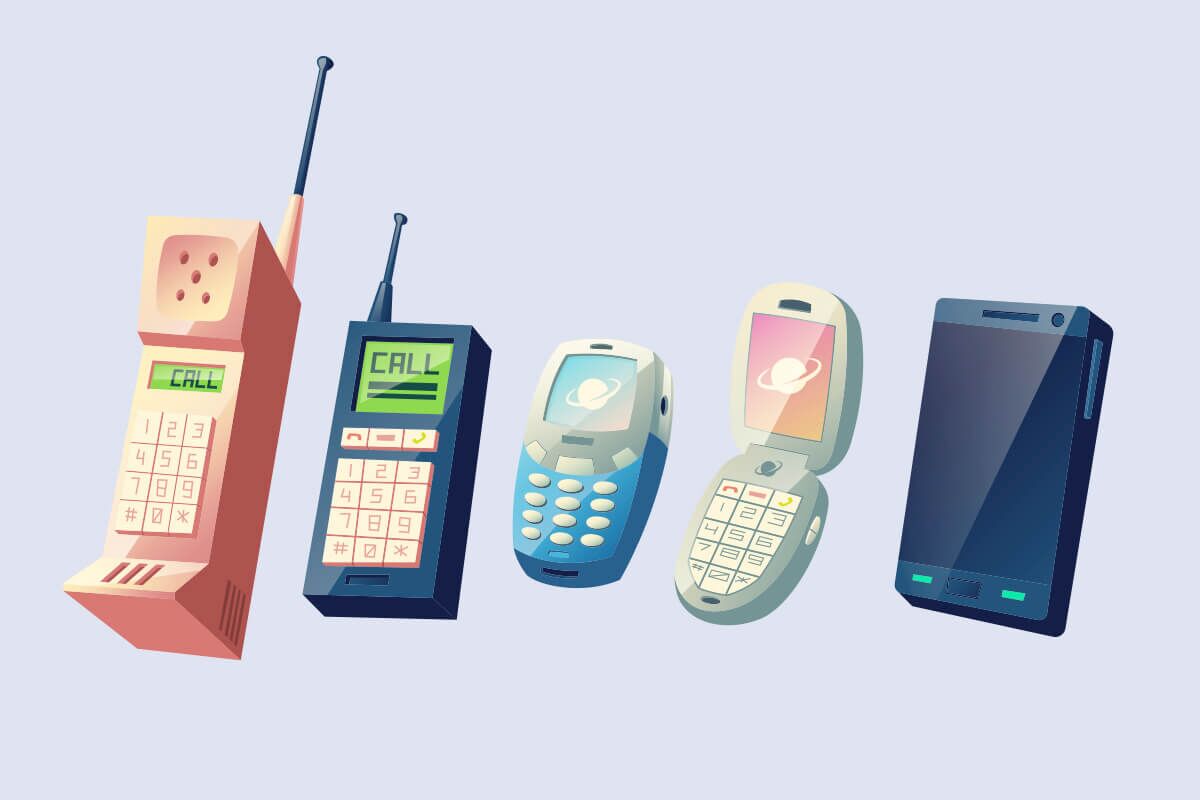
How Mobile Devices are Revolutionizing Our Daily Lives
In today's fast-paced world, mobile devices have become an essential part of our daily lives. They not only facilitate communication but also enhance productivity and connectivity. With a smartphone or tablet in hand, we can easily access information, explore new applications, and connect with others anytime and anywhere. The convenience of managing tasks, from ordering groceries to scheduling appointments, highlights how these devices are transforming our everyday routines.
Moreover, mobile devices have revolutionized the way we consume media and entertainment. Streaming services have made it possible to watch movies, listen to music, and play games on-the-go. Social media platforms allow us to share our experiences and connect with friends, fostering a sense of community even when physically apart. As technology continues to advance, the influence of mobile devices on our daily lives will only grow, making them indispensable tools for both personal and professional use.
Counter-Strike is a popular first-person shooter game that has become a mainstay in the world of competitive gaming. Players engage in team-based gameplay where they can assume the roles of terrorists or counter-terrorists in various objective-driven matches. For gamers looking for the best accessories to enhance their experience, consider checking out the Top 10 Android Charging Cables to ensure your devices are always charged for those intense gaming sessions.
The Future of Mobile Technology: Trends to Watch
The rapid evolution of mobile technology is reshaping the way we communicate, work, and live. As we move further into the future, several key trends are poised to dominate the landscape. First and foremost, the introduction of 5G connectivity is set to revolutionize mobile internet speeds, enabling seamless streaming and instantaneous file transfers. This advancement will facilitate greater use of augmented and virtual reality applications, creating immersive experiences that were previously unimaginable.
Furthermore, the rise of artificial intelligence (AI) is transforming mobile devices into smart companions. With improved AI algorithms, smartphones are becoming capable of predictive analytics, enhancing user experiences through tailored content recommendations and improved voice recognition. As mobile technology continues to advance, users can expect a more integrated ecosystem where devices communicate effortlessly with each other, paving the way for innovations in IoT (Internet of Things), personalized healthcare, and smart cities.
Are Mobile Devices Making Us Smarter or More Distracted?
The advent of mobile devices has undeniably transformed the way we access information and communicate. On one hand, these devices empower us with immediate access to a wealth of knowledge, promoting learning and connectivity. Applications and tools designed for educational purposes allow users to engage in self-directed learning and enhance their skills at their own pace. This unprecedented access can make us feel smarter as we can quickly retrieve information and incorporate it into our daily lives. For instance, language-learning apps make acquiring new languages more accessible, while productivity tools can help with organization and time management.
However, the same mobile devices that enhance our cognitive abilities can also lead us to become more distracted. With the constant barrage of notifications, social media, and entertainment options, it is easy to lose focus on important tasks. Studies have shown that frequent interruptions can diminish our productivity and reduce our capacity for deep work. In fact, psychologists argue that this distraction may be reshaping our brains, causing us to crave instant gratification rather than developing patience and concentration. Thus, while mobile devices can lead to greater knowledge acquisition, they also pose challenges that may hinder our ability to engage deeply with the world around us.