The Rise of Hands-Free Technology: How It's Transforming Our Daily Lives
The rise of hands-free technology has revolutionized the way we interact with our devices and manage our daily tasks. From voice-activated assistants like Amazon's Alexa and Google Assistant to innovative smart home devices, these technologies are becoming an integral part of our routines. No longer constrained by the need for physical interaction, individuals can now control their environment simply by speaking. This convenience has not only transformed home automation but has also changed how we communicate, access information, and even shop online.
In addition to enhancing productivity and accessibility, hands-free technology has significant implications for safety and health. For example, drivers can maintain focus on the road while navigating using voice commands, significantly reducing the risk of accidents. Furthermore, this technology is helping those with disabilities by providing easier access to essential tools and services. As we move forward, the adoption of hands-free solutions will likely increase, suggesting a future where multitasking becomes seamless and our interactions with technology are more natural and intuitive.
Counter-Strike is a highly popular first-person shooter game that emphasizes teamwork and strategy. Players can choose to play as terrorists or counter-terrorists, completing objectives or eliminating the opposing team. For those looking to enhance their gaming experience on the go, check out the Top 10 iphone wallet cases to protect your device while playing.
10 Essential Gadgets for a Hands-Free Lifestyle
In today's fast-paced world, embracing technology that promotes a hands-free lifestyle can significantly enhance your everyday efficiency and convenience. From voice-activated assistants to innovative appliances, several gadgets have emerged as essential tools for busy individuals seeking to simplify their routines. Here are the top 10 essential gadgets that can help you enjoy a more hands-free experience:
- Smart Speakers: Devices like Amazon Echo and Google Home allow you to control your home, play music, and answer questions with voice commands.
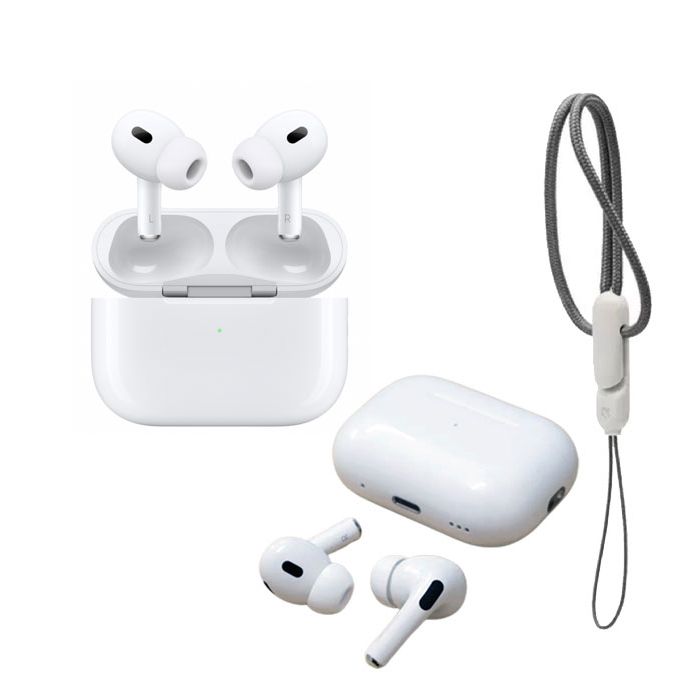
- Wireless Earbuds: With noise-canceling features, they let you take calls and listen to music without needing to hold your phone.
- Smart Home Assistants: Automate tasks and control your home’s lighting and temperature through voice commands.
- Wearable Fitness Trackers: Monitor your health metrics without having to check your phone.
- Voice-Controlled Coffee Makers: Brew your morning coffee with just a voice command.
- Robot Vacuum Cleaners: Let technology handle your cleaning chores, freeing up your time.
- Hands-Free Car Kits: Enhance driving safety by enabling you to answer calls and access navigation without taking your hands off the wheel.
- Smart Glasses: These can display notifications and allow for hands-free calls while on the move.
- Smartphone Mounts: Keep your phone accessible and in view while driving or multitasking.
- Gesture-Controlled Devices: Explore products that can be operated through simple hand movements, adding a new level of convenience.
Is Hands-Free Living the Future of Personal Freedom?
The concept of hands-free living has gained significant traction in recent years, as technological advancements pave the way for greater convenience and efficiency. With the rise of smart home devices, voice-activated assistants, and wearable technology, individuals are increasingly able to manage their daily tasks without the need for physical interaction. This transformation not only enhances productivity but also offers a new sense of personal freedom. Imagine cooking a complex meal while effortlessly controlling your music playlist or checking your calendar just by speaking. Such capabilities exemplify how hands-free living can liberate us from the constraints of traditional interactions.
However, the shift towards hands-free living also raises important questions about dependency and privacy. As we embrace these technologies, it becomes crucial to consider the implications of relinquishing control to devices that listen and learn from our behaviors. Advocates for personal freedom argue that a balance must be struck between convenience and vigilance. Hands-free living may indeed represent the future; however, it is essential to approach it with awareness, ensuring that our quest for freedom does not compromise our autonomy and privacy in the digital age.