The Hidden Costs of Poor Posture: How Your Office Chair Affects Your Back Health
Poor posture is often dismissed as a minor issue, but the hidden costs of poor posture can significantly impact your overall health, particularly your back. Many office workers spend hours sitting in chairs that do not provide adequate support, leading to chronic pain and discomfort. Office chairs that lack proper lumbar support can exacerbate spinal misalignment, causing tension in the muscles and ligaments that support the back. Over time, this can not only affect your physical well-being but also lead to decreased productivity and increased absenteeism due to back-related issues.
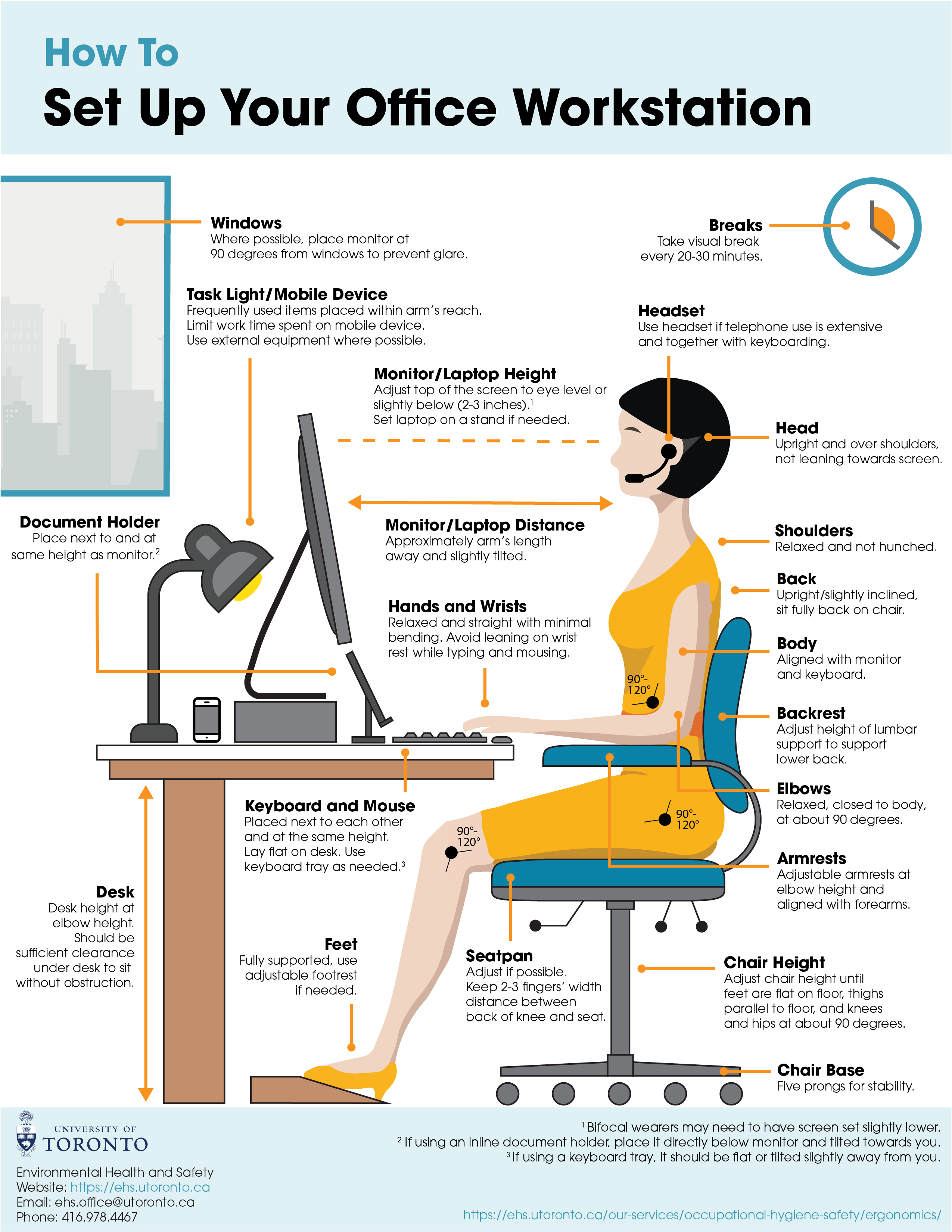
Understanding how your office chair affects your back health is crucial for creating a more comfortable and ergonomic workspace. Here are some aspects to consider when evaluating your chair:
- Adjustability: Chairs should be adjustable to accommodate your height and body type.
- Cushioning: Adequate padding can prevent discomfort during long hours of sitting.
- Lumbar Support: Proper back support helps maintain the natural curve of your spine.
By choosing the right office chair and paying attention to your posture while seated, you can mitigate the hidden costs of poor posture, ensuring a healthier back and a more productive work experience.
Counter-Strike is a popular tactical first-person shooter game that has captivated gamers since its initial release in 1999. Players join either the terrorist or counter-terrorist teams and engage in various mission-based game modes. As players strategize and communicate with their teams, having the right setup can enhance gameplay; check out the Top 10 work from home accessories to optimize your gaming experience.
Finding the Right Fit: What Makes an Ergonomic Office Chair Truly Effective?
Choosing the right office chair is crucial for maintaining good posture and reducing the risk of discomfort during long hours of work. An effective ergonomic office chair should offer adjustable features that cater to individual body types and preferences. Key elements include adjustable seat height, lumbar support, and armrests, all of which contribute to a more personalized seating experience. Additionally, the chair's material should promote breathability and comfort, allowing you to stay focused on your tasks without the distraction of physical strain.
Another vital aspect of an ergonomic office chair is its ability to support dynamic movements. Look for chairs that encourage proper alignment of the spine and enable easy shifts in position. For example, a chair with a recline function and a tilt mechanism can help reduce pressure on the lower back. Remember, a chair that fits well can make a significant difference in your work efficiency and overall well-being, making it essential to invest time in finding the perfect fit for your needs.
Is Your Chair a Pain in the Back? Signs You Need an Upgrade
Many people spend countless hours sitting in front of a desk, making the type of chair you use crucial to your overall well-being. If you frequently experience discomfort, the signs could indicate that your chair is a pain in the back. Some common symptoms include persistent lower back pain, stiffness after prolonged sitting, or even numbness in your legs. Recognizing these signs early can prevent long-term injuries and lead to a more enjoyable work experience.
So, how do you know it's time for an upgrade? Consider the following signs you need an upgrade:
- Your chair lacks lumbar support, failing to maintain the natural curve of your spine.
- You find yourself frequently shifting positions to find comfort.
- Visible wear and tear, like sagging cushions or broken components, suggests it's time for a change.