The Unforeseen Impact of Quantum Computing on Everyday Devices
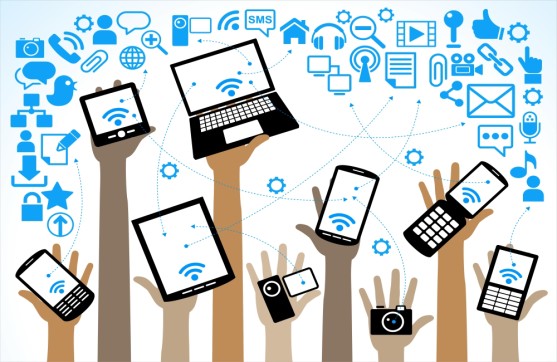
The rise of quantum computing is set to revolutionize the way we interact with everyday devices, far beyond its current applications in research and industry. With the ability to process complex calculations at unprecedented speeds, quantum computers hold the promise of enhancing artificial intelligence, optimizing data management, and significantly improving machine-to-machine communication. As these advancements become integrated into consumer technology, we may find ourselves with smart devices that can predict user behavior, manage energy consumption more efficiently, and offer personalized experiences in ways we have yet to imagine.
However, with such advancements come unforeseen implications. One particularly fascinating potential impact of quantum computing is its ability to strengthen cybersecurity through the use of quantum encryption, making our devices more secure against cyber threats. Conversely, this technology could also facilitate more sophisticated hacking techniques, leading to a new arms race in digital security. As we embrace this new era of quantum advancements, it is crucial to consider both the benefits and challenges they present, ensuring that the integration of quantum computing into our daily lives is both innovative and responsible.
Counter-Strike is a popular multiplayer first-person shooter game that pits teams of terrorists against counter-terrorists in various objective-based missions. Players engage in tactical gameplay, utilizing teamwork and strategy to succeed. For enhancing your gaming experience, check out the Top 10 iPhone 17 Pro accessories that can give you an edge in competitive gaming.
Robot Revolution: How Unpredictable Innovations Are Reshaping Our Lives
The Robot Revolution is unfolding rapidly, with unpredictable innovations emerging across industries, reshaping our daily lives in profound ways. From advanced artificial intelligence systems to autonomous vehicles, these technologies are transforming how we work, commute, and interact. For instance, AI-powered personal assistants have become integral to our homes, managing everything from scheduling to climate control, enhancing our productivity and convenience. Furthermore, the rise of robots in manufacturing has resulted in increased efficiency and cost savings, paving the way for new job roles that require skills in programming and maintenance.
Unpredictable innovations fueled by the Robot Revolution extend beyond just practical applications; they are also redefining societal norms and ethical considerations. As robots and AI systems take on more responsibilities, questions arise regarding privacy, security, and the implications of human reliance on technology. According to recent studies, nearly 67% of consumers express concerns over job displacement due to automation, highlighting the need for a balanced approach to technological advancement. Embracing these innovations while addressing their potential impacts will be crucial as we navigate this new era.
Are Smart Devices Too Smart? The Risks of Over-Reliance on Technology
In today's fast-paced world, smart devices have seamlessly integrated into our daily lives, enhancing convenience and efficiency. From smart thermostats that learn our heating preferences to voice-activated assistants that manage our schedules, these devices undoubtedly offer numerous benefits. However, this over-reliance on technology raises important concerns about our dependence on these innovations. When we allow smart devices to make decisions for us, we risk losing critical thinking skills and the ability to manage everyday tasks without technological assistance.
Moreover, the risks of over-reliance on technology extend beyond personal inconvenience. With the proliferation of interconnected devices, we face heightened privacy and security threats. As we entrust more personal data to our smart gadgets, we become increasingly vulnerable to hacking and data breaches. For example, a simple security flaw in a smart camera could expose sensitive information, putting our safety at risk. It is essential to strike a balance, leveraging the benefits of technology while remaining aware of its limitations and potential hazards.