Top 10 Common Phone Hazards and How to Avoid Them
In today's constantly connected world, smartphones have become an essential part of our daily lives. However, with their convenience comes a variety of hazards that users should be aware of. Here are the Top 10 Common Phone Hazards that can pose risks to both your device and your health:
- Overheating: Extended usage or direct sunlight can cause phones to overheat, potentially damaging internal components.
- Battery Explosions: Using unverified chargers can lead to battery failures and even explosions.
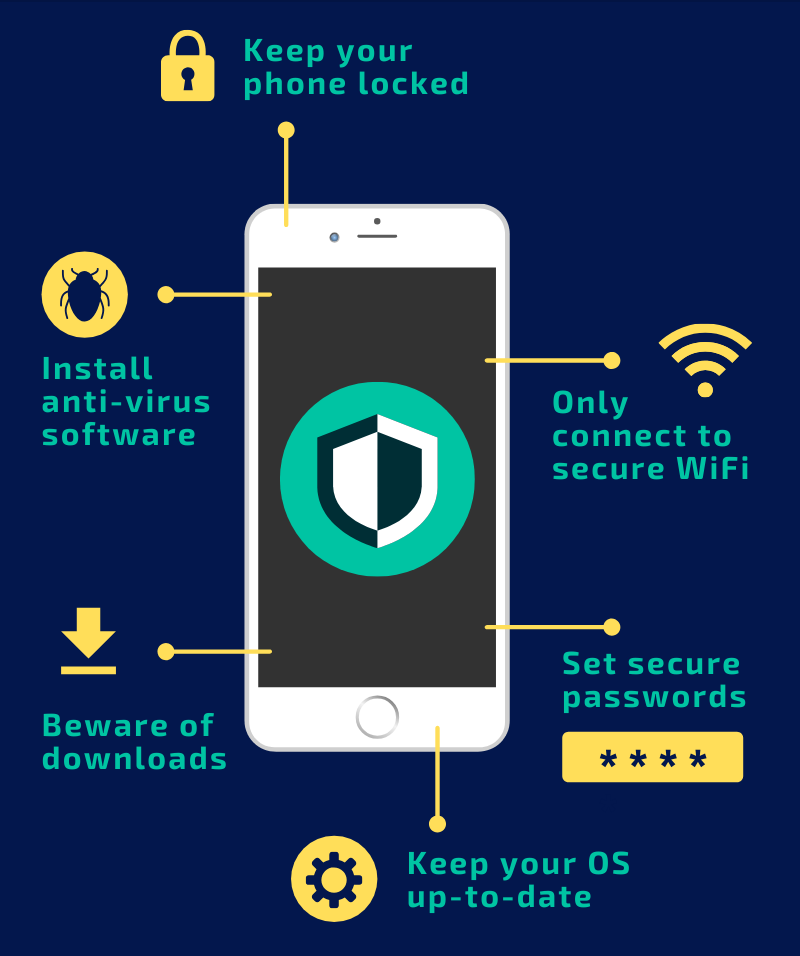
- Cybersecurity Threats: Malware and viruses can infiltrate smartphones, compromising personal information.
- Texting While Driving: This behavior significantly increases the risk of accidents.
- Screen Damage: Dropping your phone can lead to cracked screens and high repair costs.
- Radiosensitivity: Prolonged phone use near the head has raised concerns about potential health risks.
- Public Wi-Fi Vulnerabilities: Connecting to unsecured networks can expose your data to cybercriminals.
- Pocket Dialing: Accidental calls can lead to costly phone bills or unwanted conversations.
- Phishing Scams: Be cautious of unsolicited messages that may seek to gather personal data.
- Eye Strain: Excessive screen time can lead to discomfort and vision problems.
To avoid these hazards, consider the following tips: always use genuine chargers, implement strong cybersecurity measures, and avoid using your phone while driving. Additionally, investing in a protective case and checking your device for updates can further enhance safety and longevity.
Counter-Strike is a popular tactical first-person shooter game known for its team-based gameplay and competitive environment. Players can engage in various game modes, such as bomb defusal and hostage rescue, showcasing their skills and strategy. For those looking to enhance their gaming experience, consider checking out the Top 10 iphone 17 pro cases that offer protection for your devices while gaming on the go.
How to Protect Your Phone from Water Damage: Tips and Tricks
Water damage is one of the most common issues faced by smartphone users, but there are several effective ways to protect your device. First and foremost, investing in a waterproof phone case can be a game-changer. These cases not only shield your phone from rain and splashes but also provide extra protection against accidental drops. Additionally, keeping your phone away from pools, hot tubs, and other bodies of water can significantly reduce the risk of exposure. If you must use your phone near water, consider using a water-resistant pouch designed for electronics, which offers a sealed environment for your device.
In addition to using protective gear, there are simple habits that can help minimize the risk of water damage. For instance, be mindful of your surroundings when using your phone at the beach or in a bathroom where water is prevalent. Always dry your hands before handling your device, and avoid using it with wet hands. If your phone does get wet, turn it off immediately and place it in a container filled with rice or silica gel packets to absorb excess moisture. Following these tips and tricks can ensure your phone stays safe and functional, saving you from costly repairs or replacements.
What Are the Hidden Dangers Lurking in Your Smartphone's Apps?
Smartphones have become an integral part of our daily lives, but many users are unaware of the hidden dangers lurking in their smartphone's apps. While most apps are designed to provide convenience and functionality, they often request extensive permissions that can compromise your privacy and security. For instance, a seemingly harmless app may request access to your contacts, location, and even your camera. This raises significant concerns, especially when considering how much sensitive information can be extracted through these permissions. Always review the permissions an app requires before downloading it, and consider whether it truly needs them to function.
Moreover, the risks do not end with permission requests. Many apps can harbor malware that can track your activities or even steal your personal data. According to expert analyses, over 50% of free apps on various platforms contain some form of adware or spyware. This is particularly concerning for apps that handle financial transactions or sensitive personal information. To protect yourself, make sure to download apps only from reputable sources and keep your device's software up to date. Encrypting your communications and regularly reviewing your app permissions can also help mitigate these risks.